

Web developers and marketers engage in a fierce debate in the competitive world of search engine optimisation about the most effective ways to achieve higher rankings. AMP vs PWA vs Core Web Vitals: Which is the latest top web ranking factor, and how do you make it work? This question is echoing through digital circles as Google continues to refine its algorithms, prioritising user experience above all else in 2025.
AMP vs PWA vs CWV
The shift comes amid Google’s ongoing emphasis on real-world performance metrics. While Accelerated Mobile Pages (AMP) once promised lightning-fast loads and a spot in the coveted Top Stories carousel, its relevance has waned.
Progressive Web Apps (PWAs) offer app-like functionality without app store hassles, but they’re more about engagement than direct ranking boosts.
Enter Core Web Vitals; the trio of metrics is now firmly entrenched as a cornerstone of Google’s page experience signals. Launched in 2020 and fully integrated into rankings by 2021, Core Web Vitals measure loading speed, interactivity, and visual stability.
Largest Contentful Paint (LCP) gauges how quickly the main content appears, ideally under 2.5 seconds. Interaction to Next Paint (INP), which replaced First Input Delay in 2024, tracks response times to user actions, aiming for under 200 milliseconds. Cumulative Layout Shift (CLS) ensures pages don’t jump around unexpectedly, with a target below 0.1.
These aren’t just nice-to-haves; they’re direct ranking factors. Google’s Q1 2025 algorithm update, as detailed in First Page Sage’s analysis, places page experience, including Core Web Vitals, at around 12% of the overall weighting, just behind backlinks and content quality.
Searcher engagement metrics, like dwell time and bounce rates, tie directly into these vitals, amplifying their SEO impact. AMP, Google’s 2015 brainchild, was designed to strip down mobile pages for speed.
It limited JavaScript and CSS, caching content on Google’s servers for near-instant loads. Early adopters saw boosts in mobile search visibility, especially for news sites. But by 2021, Google decoupled AMP from Top Stories eligibility, citing broader performance standards.

Cloudflare AMP deprecation
Fast-forward to 2025: Cloudflare announced the deprecation of AMP support starting in October, signalling its decline. Industry experts agree, AMP’s rigid framework often creates duplicate content issues and hampers interactivity, clashing with modern UX needs.
A Repeat Digital report notes that while AMP pages still load fast, the gains are marginal compared to optimised responsive designs. For non-news sites, maintaining dual versions (AMP and canonical) burdens developers without proportional SEO returns.
PWA Shines
Reddit threads from SEO pros echo this: “AMP kills mobile conversions for e-commerce,” one user lamented, highlighting lost functionality like forms and personalisation. PWAs, coined around the same time as AMP, blend web and app worlds using service workers for offline access, push notifications, and installability.
They’re built on progressive enhancement, starting basic and layering features. SEO-wise, PWAs shine indirectly: their caching mechanisms boost repeat-visit speeds, aligning with Core Web Vitals.
A Gracker.ai study shows PWAs can achieve LCP scores rivalling AMP while offering smoother animations and navigation. Yet, PWAs aren’t a silver bullet for rankings.
Core Web Vitals’ influence on mobile searches
Google’s Backlinko 2025 list ranks them below content quality and backlinks. Challenges include ensuring crawlability; search engines must index dynamic content properly and configure app manifests without errors.
For e-commerce, PWAs excel in engagement, reducing bounce rates by up to 20% per SimiCart data, which feeds positively into engagement signals. But for static content sites, the overhead of PWA implementation might not justify the effort.
Core Web Vitals emerge as the undisputed leader in 2025. Unlike AMP’s prescriptive tech or PWA’s app focus, CWV are flexible metrics applicable to any site. Google’s Search Central confirms they’re part of the core ranking systems, influencing over 40% of mobile searches.
Which CMS is good for Core Web Vitals?
The HTTPArchive’s July report ranks CMS platforms by CWV performance: Duda hits 85% “good” scores, while WordPress lags at 44%, showing the need for optimisation regardless of tech stack.

Why the dominance? CWV reflects real-user data from the Chrome User Experience Report (CrUX), capturing field performance across devices. Poor scores correlate with higher abandonment; users flee slow, janky sites.
A PwC-inspired insight from earlier years evolved: publishers now capture more ad revenue with vitals-optimised pages, as buyers favour stable experiences. In Q1 2025, searcher engagement rose to 12% in Google’s factors, per First Page Sage, with CWV as a key driver.
Transitioning from AMP? Many are. A Deux.io analysis of a tech blog’s migration to PWA-enhanced responsive design yielded 90%+ CWV scores and better engagement. Google itself advises against AMP dependency, pushing open standards.
How to make Core Web Vitals work for your site
For PWAs, integrate CWV by optimising service workers to preload critical resources, ensuring INP stays snappy even offline. So, how do you make Core Web Vitals work for your site? Start with measurement.
Google’s Search Console Core Web Vitals report provides field data breakdowns by device, flagging “poor” URLs. Aim for 75%+ “good” across your site; only indexed pages qualify, so focus on high-traffic ones.
For LCP, target the main content block. Compress images with the WebP format and lazy-load offscreen ones. Use a Content Delivery Network (CDN) like Cloudflare to slash latency and reduce server response times below 200ms.
Preload key resources:Add <link rel=”preload”> fonts and hero images in HTML. Minify CSS/JS and eliminate render-blocking ones via async/defer attributes. INP demands interactivity tweaks.
Break up long JavaScript tasks with Web Workers to avoid main-thread blocking. Optimise third-party scripts; defer non-essential ones like ads. For PWAs, fine-tune event listeners to respond within 50 ms.
Tools like Lighthouse in Chrome DevTools simulate these; aim for Total Blocking Time under 200 ms. CLS fights surprises. Reserve space for dynamic elements: set explicit width/height on images and ads.
Use font-display: swap to avoid invisible text flashes. Avoid inserting content above the fold post-load. A web.dev guide stresses aspect ratios for videos and prevents jumps. Implementation varies by platform.
Best WordPress plugin for Core Web Vitals (CWV)
On WordPress, plugins like WP Rocket handle caching and minification, boosting CWV by 30%, per user reports. For custom sites, adopt Next.js or Gatsby for static generation, inherently favouring fast loads.
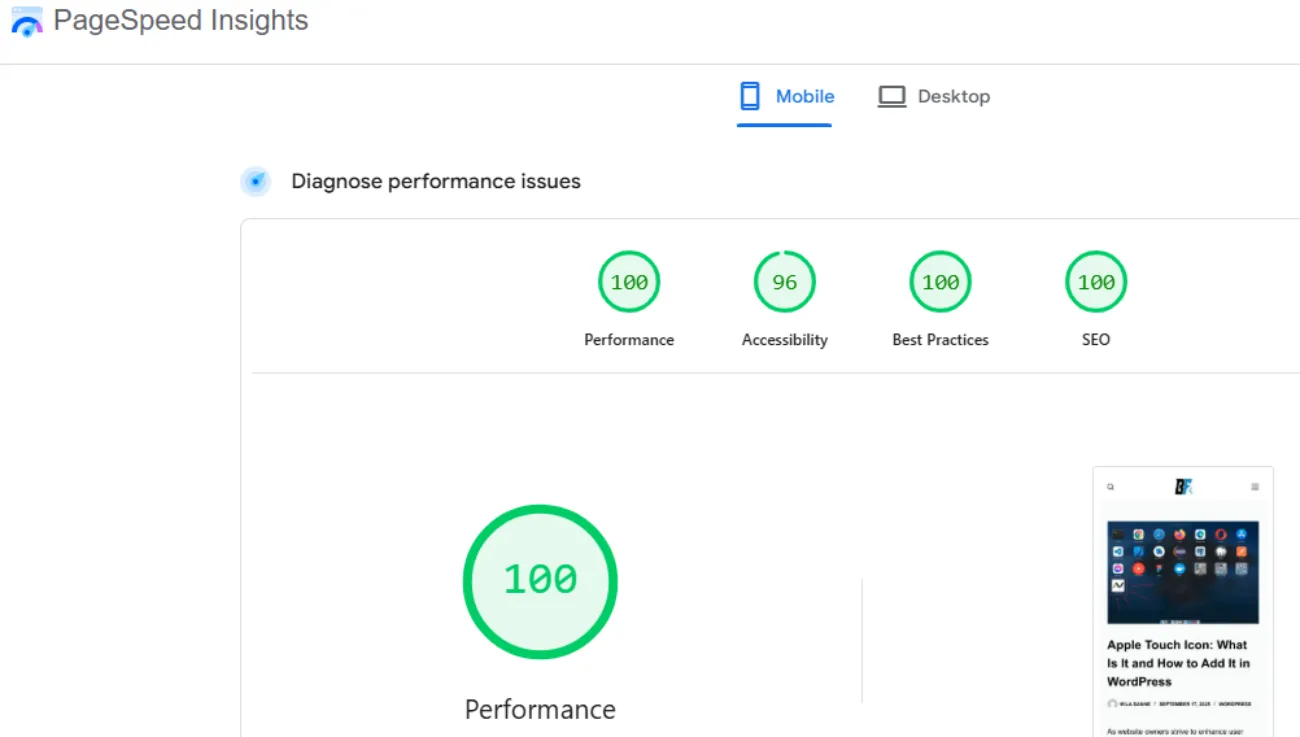
E-commerce? Integrate PWAs with Magento or Shopify Hydrogen for offline carts, naturally improving vitals. Testing is ongoing. Use PageSpeed Insights for lab data, but prioritise CrUX field metrics; they mirror what Google sees. Monitor trends in Search Console; regressions signal issues like unoptimised updates.
A/B Tests for CWV
A/B test changes: One retailer saw a 15% traffic uplift post-CWV fixes, per Rio SEO. Challenges persist. Mobile CWV often lags desktop – optimise for slower connections with responsive images.
Budget sites might skip CDNs, but free tiers from BunnyCDN suffice. Developers warn against over-optimisation; balance speed with functionality to avoid CLS from rushed designs.
Looking ahead, 2026 forecasts from MonsterInsights predict CWV weighting rising with AI-driven personalisation. Emerging factors like environmental impact (e.g., lighter pages reduce data use) tie in.
AMP holdouts should migrate: redirect AMP URLs to canonicals, preserving links. PWAs complement CWV beautifully for interactive sites. A SimiCart case showed PWA boosting vitals while cutting load times 50%.
But for content-heavy blogs, pure CWV optimisation via caching plugins yields similar gains without PWA complexity. In essence, ditch AMP’s constraints – it’s deprecated and limiting.
Embrace PWAs for engagement if app-like UX fits, but prioritise Core Web Vitals universally. They’re the top factor, directly tying UX to rankings.
As one SEO expert quipped in a Hollywood Reporter-style interview, “Speed isn’t optional; it’s the new content.” By auditing, optimising, and iterating, sites can hit “good” thresholds, unlocking better visibility. Google’s mantra: Deliver experiences users love, and rankings follow. With CWV as your guide, 2025’s SERPs are yours to conquer.