

At CES 2026 in Las Vegas, physical AI took centre stage as one of the biggest trends, showing how artificial intelligence is moving from screens to the real world through robots and self-driving vehicles. The annual consumer tech show drew thousands of attendees eager to see the latest gadgets, and it was held from January 6 to 9 at venues across the city, like the Las Vegas Convention Centre.
This year, though, the focus shifted toward machines that can sense their surroundings, make decisions, and carry out tasks in physical spaces. From humanoid robots folding laundry to advanced chips powering autonomous cars, the exhibits made it clear that tech companies see a huge future here.
Physical AI might sound odd at first. After all, AI has mostly lived in apps, chatbots, or cloud services up to now. But the term describes systems that interact with the physical environment in smart ways. These machines use cameras, sensors, and lidar to gather data, then process it to understand what’s happening and respond accordingly. It goes beyond simple automation. Think of a robot that not only picks up objects but reasons about how to handle fragile ones, or a car that navigates busy streets without a driver constantly watching.
The idea gained traction in recent years as computing power grew and costs dropped. Companies like Nvidia have pushed it hard, calling it the next phase after generative AI for text and images. At CES 2026, that push was everywhere. Booths featured dozens of humanoid robots demonstrating everyday tasks, often slowly but impressively.
Visitors watched them pour coffee, sort items, or even play games. One standout was the updated Atlas from Boston Dynamics, which walked fluidly and handled objects with better grip than before. Other models came from Chinese firms like Unitree, showing off the G1 and H1 robots that could run or dance.
Nvidia played a central role in many demos. The company’s CEO, Jensen Huang, opened the show with a keynote announcing new open models and frameworks specifically for physical AI. These include tools to train robots in simulated environments before real-world use. Nvidia also unveiled the Rubin platform, a next-gen setup for handling massive data in autonomous systems. Partners rolled out robots across industries, from factories to homes. One example was Caterpillar teaming up with Nvidia for heavy machinery that uses AI to assist operators on job sites.
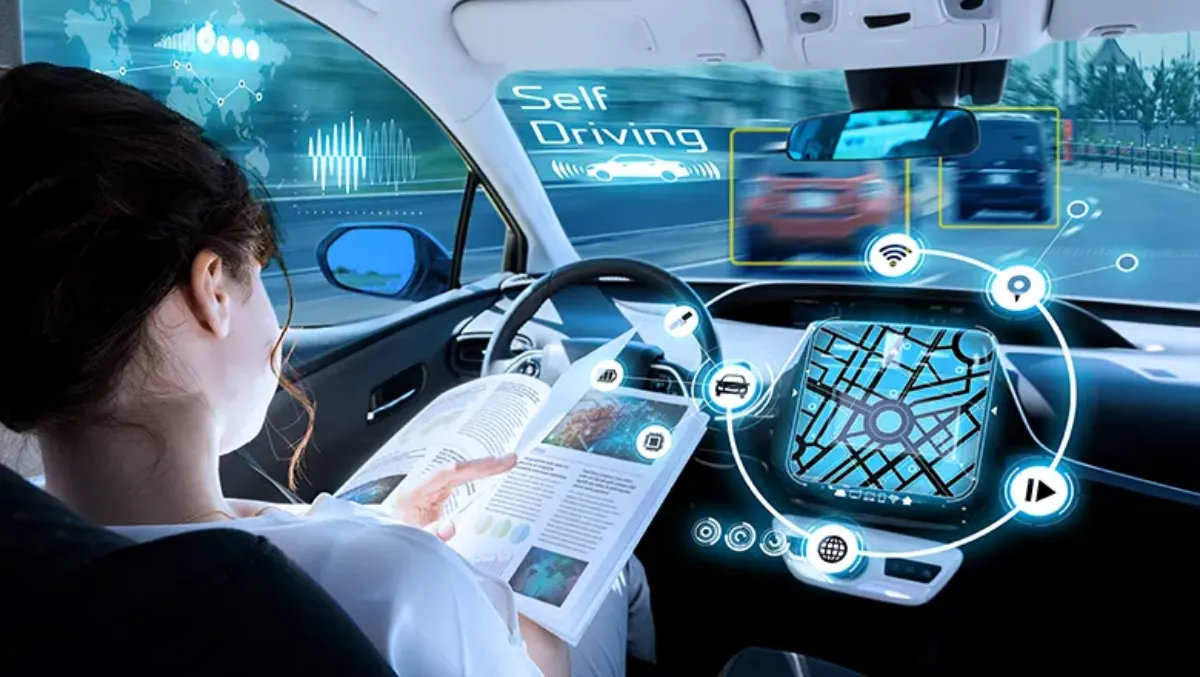
Automakers brought their own news tied to physical AI. Self-driving tech has been promised for years, but CES 2026 showed progress in making it reliable for everyday roads. Nvidia supplied chips for several systems.
Mercedes-Benz talked about expanding its hands-off driving features in the US, aiming for commutes without intervention in some cases. Chinese brand Geely highlighted an intelligent driving setup that could reach higher autonomy levels soon. Even collaborations like the Afeela from Sony and Honda got updates on sensor integration for better perception.
Ford mentioned plans for eyes-off systems by the late 2020s, where drivers could relax more on highways. Hyundai showed robotaxis based on the Ioniq 5, working with Motional on deployment. These vehicles rely on powerful onboard computing to process sensor data in real time, deciding when to brake, steer, or change lanes.
Chipmakers beyond Nvidia jumped in too. ARM launched a dedicated Physical AI division, focusing on efficient processors for edge devices like robots and cars. The goal is to run complex models without constant cloud connection, saving power and reducing delays. This matters for safety in driving or quick reactions in factories.
Market watchers see big money here. Consultancy firms project the automotive chip sector growing fast, potentially reaching over $100 billion in the coming years as vehicles add more AI features. AlixPartners noted that the “central brain” of cars is getting much larger, needing hundreds of times more processing power. That’s why chip companies promote physical AI so heavily—it drives sales of high-end hardware.
On the show floor, robots stole much attention. LG introduced CLOiD models for home help, like guiding guests or monitoring spaces. Roborock showed cleaning bots with better navigation. A fun one was Sweekar, an AI pet that “grows” physically over time. EngineAI displayed the T800 humanoid doing tasks autonomously. Many moved deliberately slowly to avoid mistakes, highlighting that real-world reliability takes time.
Experts at panels discussed challenges. McKinsey hosted a session on transforming industries with physical AI, covering adoption hurdles like cost and training data. Speakers noted factories might see robots first, handling repetitive jobs in controlled settings. Hyundai and Google DeepMind have plans for that, testing in assembly lines.
For homes, it’s farther off. Current humanoids cost hundreds of thousands and need supervision. But prices are dropping as production scales. Unitree’s cheaper models aim at research or early commercial use.
Autonomous cars face regulatory and trust issues. While tech improves, full self-driving in all conditions remains tough. Rain, construction, or unpredictable pedestrians complicate things. Companies stress incremental steps, like better driver assistance before full autonomy.
Safety came up often. Nvidia’s new models include safeguards for reasoning in uncertain situations. Partnerships with automakers involve extensive testing on closed tracks and public roads.
In Las Vegas, the show felt alive with these demos. Crowds gathered around robot booths, snapping photos as machines waved or picked items. The city itself hosted side events, with some robots appearing in hotels or on the Strip for publicity.
Broader impacts got attention too. Jobs in manufacturing or driving could shift. Proponents say robots handle dangerous or boring work, letting people focus elsewhere. Training programmes will be key. On the flip side, unions worry about displacement.
Environmental angles appeared. Electric robotaxis could cut emissions if shared widely. Efficient chips reduce energy use in data-heavy tasks.
For consumers, the promise is convenience. Imagine a home robot loading dishes or a car dropping kids at school alone. But privacy concerns arise with always-on sensors.
CES 2026 made physical AI feel closer, though not immediate for most. Prototypes impressed, but scaling to affordable, reliable products takes years. Chip advances speed it up, as seen with Nvidia’s ecosystem push.
Analysts called it a breakthrough moment. From Nvidia’s open models to global partners unveiling next-gen robots, the show signalled an investment surge.
In automotive, software-defined vehicles dominated talks. Cars become updatable platforms, adding features over time via AI. Microsoft announced tools for in-vehicle innovation.
Robotaxis got buzz. Companies like those partnering with Nvidia aim for fleets in cities soon. Las Vegas itself has tested autonomous shuttles for years, fitting the theme.
Humanoids varied in design. Some mimicked people closely for versatile tasks; others specialised. Bloomberg noted demos like coffee pouring or laundry folding, done slowly but accurately.
Chinese firms impressed with quick progress. Unitree and others showed affordable options, pushing competition.
Overall, CES 2026 in Las Vegas marked physical AI’s rise. From chip announcements to robot parades, it showed tech merging digital smarts with physical action. The future looks busy with machines helping in factories, roads, and maybe homes. For now, it’s exciting to watch unfold.